Learn about the Spokane River’s History
As a flourishing ecosystem brimming with life and an abundance of natural resources, the Spokane River has attracted people to its banks for thousands of years. From sites of religious significance to bustling trading outposts, it has hosted rich and diverse communities, bringing the Spokane, Kalispel, Coeur d’ Alene, Colville, Nez Perce, and others together to share in the wealth of the river. Salmon chiefs were often elevated to ensure equal sharing of the resources and ample time for fish populations to recover.
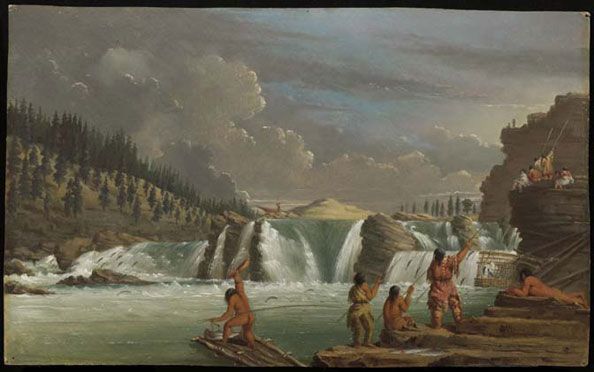
However, the arrival of settlers in 1807 marked the turning point in river management. David Thompson, one of the first settlers commissioned the construction of a trading post at the confluence of the Spokane and Little Spokane rivers to encourage trade between the tribes and settlers. Decades later, the Donation Land Claim Act stated the U.S. citizens could homestead up to 640 acres per couple, spurring an influx of settler and further fraying the relationships between these settlers and the tribes.
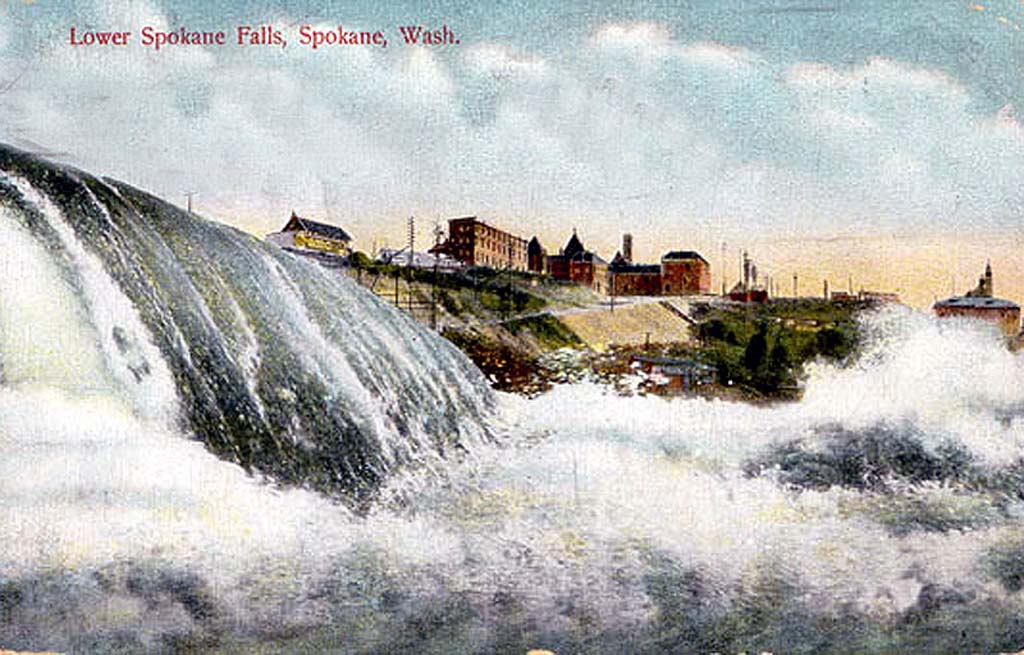
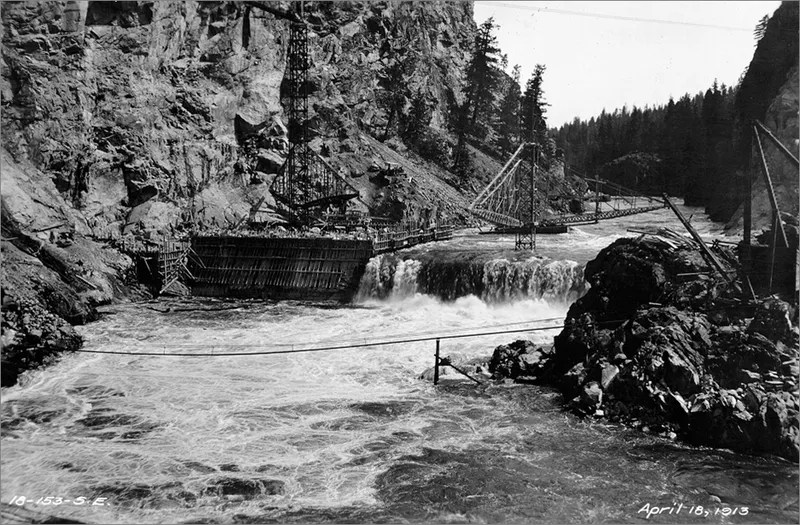
Soon after, interests continued to clash as the Northern Pacific Railroad arrived in Spokane Falls in 1882, eager to build their first dam. Overcoming this initial threshold resulted in a surge of river development, and Washington Water Power began to buy sections of the river for dam building. Within a few years, a municipal sewer was pumping raw sewage into the river, more dams were being constructed, and sawdust contaminated the water. This spelled disaster for migrating salmon populations and the tribes that depended on them.
Learn More
Learn about improvements

Learn about culture
 Spokane River Vision